Winchester Landscaping
01962 277 005
Landscaping Considerations for Period & Conservation Properties in Winchester
Winchester has a high number of period homes and designated conservation areas, many of which require a more considered approach to
landscaping. Older properties often feature established plots, traditional boundaries, and garden layouts that differ significantly from modern developments, making external work less straightforward.
In conservation-sensitive parts of the city, landscaping choices are often influenced by the surrounding architecture and the need to preserve visual character. Materials, ground levels, planting, and access all need to be approached carefully to ensure changes remain practical without disrupting the property’s overall setting.
This page outlines some of the key landscaping considerations commonly associated with period and conservation properties across Winchester, helping homeowners understand how local context can influence outdoor design decisions.
Property & Planning Considerations
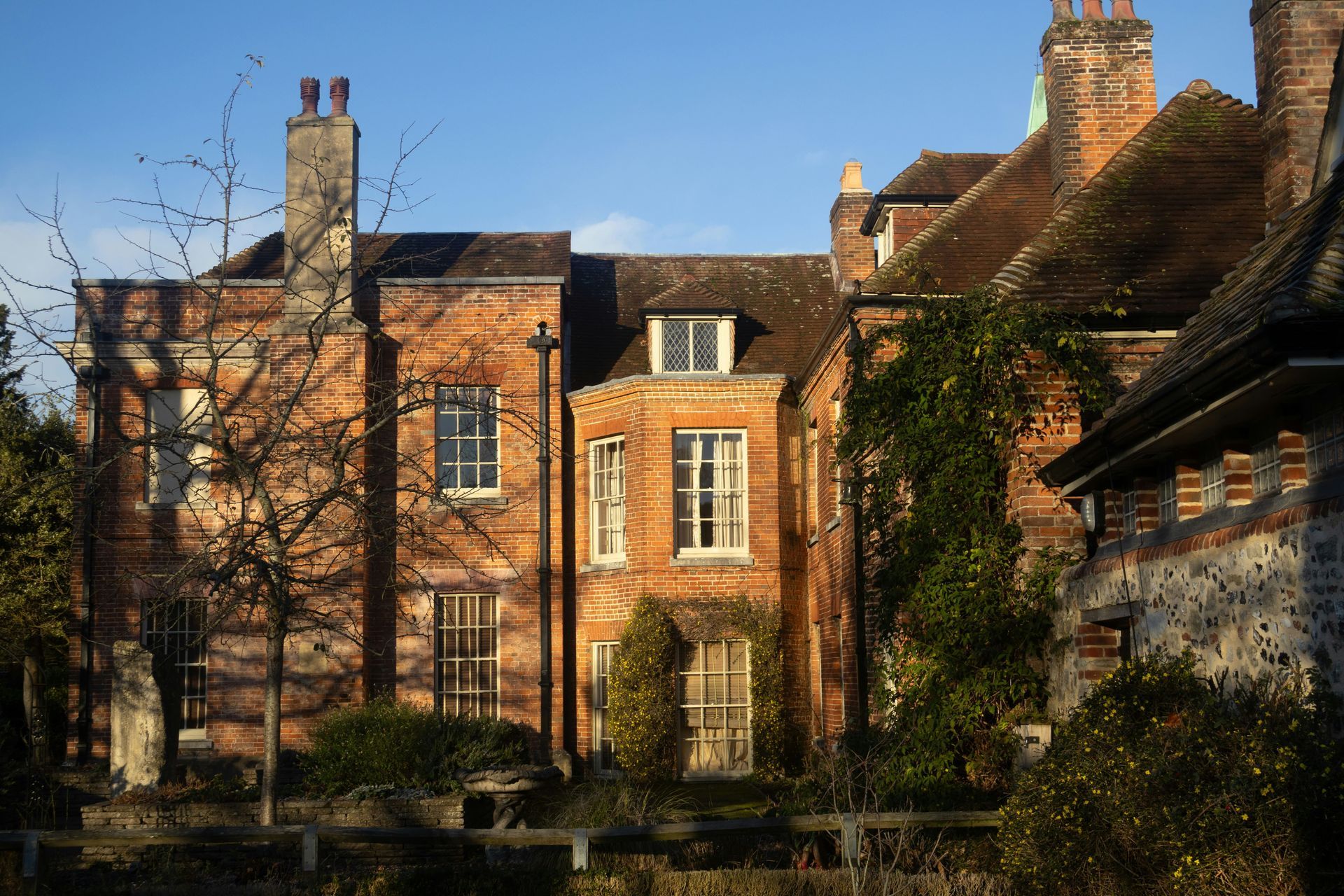
Many period and conservation properties across Winchester were designed with proportions, boundaries, and layouts that differ significantly from modern housing. Gardens often form part of the property’s original character, with features such as brick walls, established hedging, changes in ground level, and traditional access points that need to be taken into account before any landscaping work is planned.
In conservation-sensitive areas, external changes are typically approached with greater care to ensure they remain visually consistent with surrounding properties. This can influence decisions around hard landscaping, boundary treatments, surface finishes, and how new elements are integrated into existing spaces. Even small alterations can affect the overall balance of a garden if they are not considered in relation to the property’s age and setting.
As a result, landscaping for older homes in Winchester often focuses less on transformation and more on thoughtful improvement. Respecting original layouts, working with existing features, and understanding local expectations all play a role in achieving outdoor spaces that feel appropriate, functional, and long-lasting.

Ground Conditions, Drainage, and Access
Ground conditions can vary across Winchester, particularly around older properties where gardens have been shaped over many decades. In some areas, heavier soils and established root systems can affect drainage and make ground preparation more involved than it would be in newer developments. Without careful planning, this can lead to issues such as water pooling, uneven surfaces, or ongoing maintenance challenges.
Access is another common consideration for period homes. Narrow side passages, stepped levels, and enclosed garden spaces can limit how materials are brought in and how work is carried out. These constraints often influence design choices, construction methods, and the type of landscaping features that are practical within the space.
Understanding how drainage, soil behaviour, and access interact is essential when working on older plots. A locally informed approach helps ensure that landscaping solutions are not only visually appropriate, but also suited to the long-term conditions of the garden.
Materials, Design, and Long-Term Maintenance
Material selection plays an important role when landscaping period and conservation properties in Winchester. Traditional brickwork, natural stone, and subtle paving finishes are often better suited to older homes than modern alternatives, as they sit more comfortably alongside existing structures and boundaries. Choosing materials that complement the property helps ensure new landscaping elements feel integrated rather than added on.
Design decisions are also influenced by the long-term upkeep of the space. Mature gardens and established planting schemes can require ongoing maintenance, particularly where access is limited or ground conditions are less forgiving. In these settings, simpler layouts and durable materials often prove more practical over time than complex features that demand frequent attention.
Balancing appearance with maintenance is a key consideration for many homeowners. Landscaping that works with the character of the property and the realities of the site is more likely to remain functional, visually consistent, and manageable in the years ahead.
Why Local Context Matters for Homeowners
For homeowners in Winchester, landscaping decisions are often influenced by more than just personal preference. The age of the property, its surroundings, and how the garden has evolved over time all affect what changes are practical and appropriate. Understanding these local factors helps avoid short-term solutions that may not suit the property in the long run.
A considered approach that takes local context into account can lead to outdoor spaces that are easier to maintain and better suited to everyday use. It also reduces the likelihood of design choices clashing with existing features or creating avoidable issues with drainage, access, or upkeep.
For those exploring professional landscaping options locally, understanding how these considerations apply to period and conservation properties can help set realistic expectations and support better decision-making from the outset.